In my decades of work in the ignition interlock industry, I have talked with many young drivers and parents who were shocked by how strict California’s DUI laws are for anyone under 21. These cases come with rules that are very different from adult DUIs, and most families do not realize how little alcohol it takes to trigger serious consequences.
My goal here is to explain these rules in a clear and simple way, so young drivers and their parents understand what to expect if a DUI stop involves someone under 18 or under 21.
California Has Zero Tolerance for Drivers Under 21
In California, any driver under 21 is held to a zero-tolerance standard. This means you cannot have a blood alcohol concentration of 0.01 or higher. Even one drink can lead to a DUI investigation.
Officers use a small handheld device to test your breath at the scene. If it shows any measurable alcohol, the zero tolerance law applies.
This standard is much stricter than the adult limit of 0.08.
The Rules Are Even Stricter for Drivers Under 18
If you are under 18, the rules get even tighter. Minors face both DUI penalties and penalties tied to juvenile laws. Parents are often surprised by how fast an under-18 case moves and how many steps are involved.
Officers will notify parents right away. The DMV gets involved almost immediately. The court system also handles these cases differently than adult cases.
What Happens at the Traffic Stop
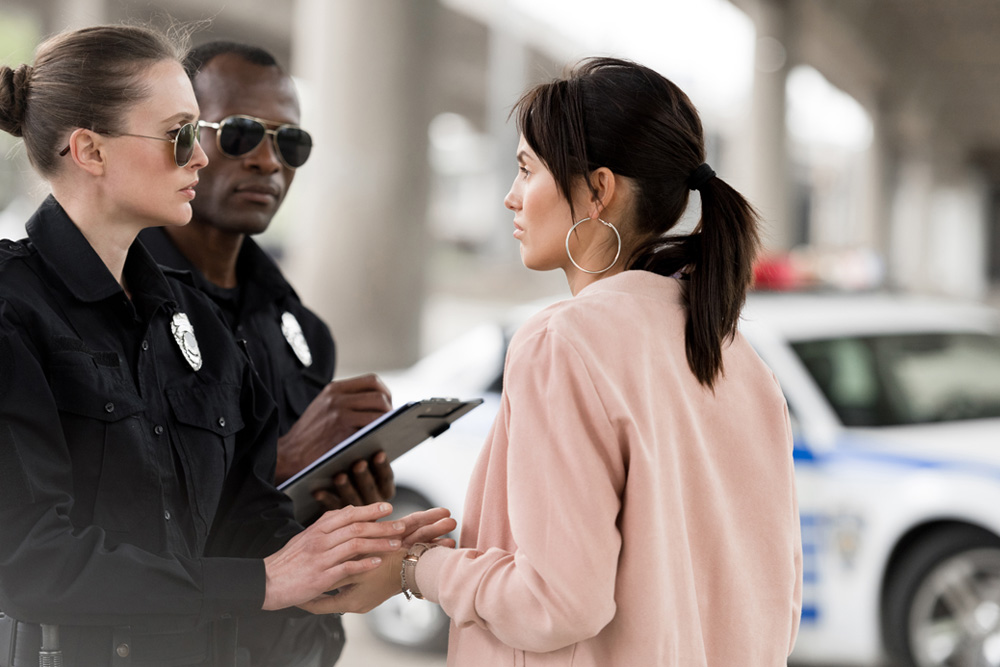
When an officer stops a driver who is under 18 or under 21, they will look for signs of impairment just as they do with adults. But the officer has more authority to test young drivers because of the zero tolerance law.
At the stop the officer may ask simple questions to see if you have been drinking, check for signs of impairment, ask for the preliminary breath test or move you to a secondary area if they notice alcohol.
Most young drivers do not know they must take certain tests because of their age. Refusing does not stop the process and can lead to automatic penalties.
You Must Take the Preliminary Breath Test if You Are Under 21
Unlike adults, drivers under 21 cannot refuse the roadside breath test. California’s zero tolerance law requires it.
If you refuse:
- your license may be taken immediately
- the DMV can issue a longer suspension
- the officer may move forward with stronger charges
This surprises many young drivers who think they can refuse the test the same way adults can. The law does not allow that.
The Official Chemical Test Still Happens After Arrest
If the officer believes you were drinking, even a small amount, you may be arrested. After arrest you must take a breath or blood test. This is the official chemical test used by the DMV and the court.
The results of this test determine the length of your license suspension and may affect the charges.
What Parents Should Know
Parents often feel overwhelmed when their teenager is involved in a DUI case. I have spoken with many parents who did not know what to do first. The most important thing is to act quickly. Zero tolerance cases move fast because the DMV starts its process right away.
Parents should know the DMV suspension can begin before the court hearing and young drivers often need guidance with license steps. One mistake can affect school, work, and future plans so try and support matters more than blame.
Young drivers benefit the most when their parents stay involved and help them navigate the next steps. Getting them through their program is vital for their future.
A Simple Way To Understand Underage DUI Rules
- Under 21 means zero tolerance
- The roadside breath test is required
- Even a tiny amount of alcohol can trigger penalties
- The DMV moves fast in these cases
- Parents should stay involved from the beginning
Understanding these rules early can help young drivers avoid bigger problems and make safer choices.
Closing Thoughts
Underage DUI laws in California are designed to be strict, and they can feel overwhelming for young drivers and their families. When you know the rules and what to expect, the process becomes easier to manage. With the right information and support, young drivers can get through this and move forward with a clearer understanding of their responsibilities on the road.
Sources
California Vehicle Code Section 23136 (Zero Tolerance Law)
California Vehicle Code Section 23140 (Under 21 DUI)
California Vehicle Code Section 23152 (Standard DUI Laws)
California DMV Zero Tolerance Administrative Guidelines