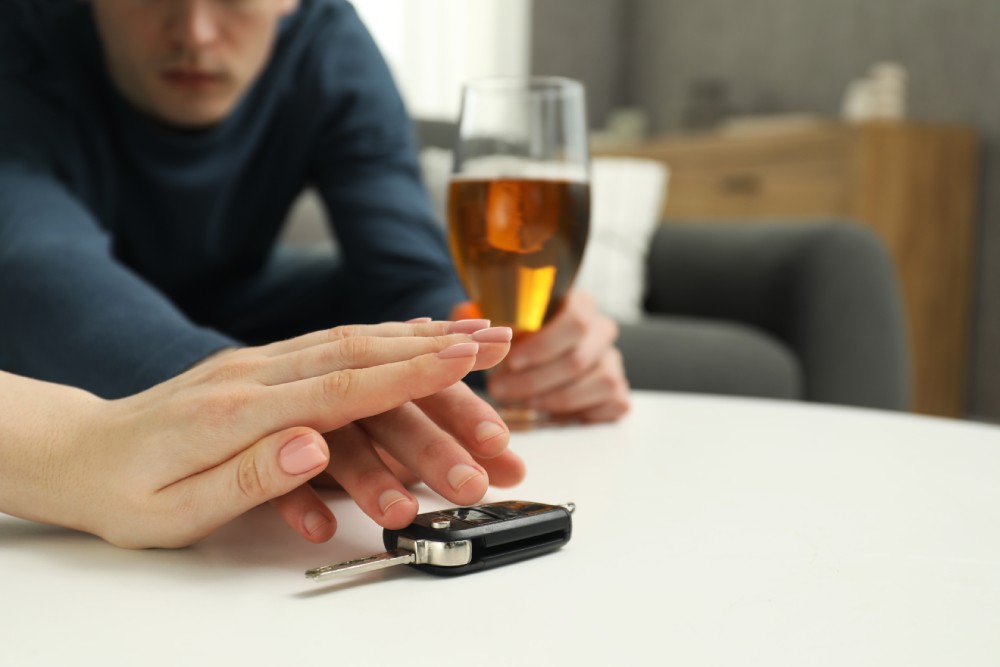
After more than twenty six years working in the DUI and ignition interlock industry, there is one question I hear more than almost any other.
How long should I wait before I drive after drinking?
People expect there to be a clean answer. They want a formula they can rely on. One drink per hour. A couple hours of sleep. A strong cup of coffee. A good meal.
The reality is that alcohol does not follow simple rules, and that misunderstanding is exactly how many drivers end up in trouble. Over the years I have seen countless situations where someone truly believed they were safe to drive, only to learn that their body was still processing alcohol.
Understanding how alcohol absorption works can make a major difference in how people approach drinking and driving decisions. It can also prevent the kind of mistakes that lead to DUI arrests or ignition interlock violations.
Why There Is No Simple Formula For Driving After Drinking
Many people grow up hearing the idea that the body processes one drink per hour. While there is a small amount of truth behind that idea, it is far from reliable in real world situations.
Alcohol absorption and elimination depend on several factors. Body weight, metabolism, the type of alcohol consumed, whether you have eaten food, hydration levels, and even sleep patterns can all affect how quickly alcohol moves through the body.
I have seen two people drink the exact same amount at the same time and produce very different breath test results. One person may test below the legal limit while the other is still well above it.
This is why experienced professionals in this field never rely on simple drinking formulas when discussing driving safety.
How Alcohol Actually Moves Through Your Body
When someone drinks alcohol, it begins entering the bloodstream quickly. A small amount is absorbed through the stomach, but most absorption happens in the small intestine. From there the alcohol circulates through the bloodstream and eventually reaches the brain.
That is when people begin feeling the effects of intoxication.
The liver is responsible for breaking alcohol down. On average, the liver can process about one standard drink per hour, but that is only a rough estimate. The body does not speed up this process just because someone wants to sober up faster.
Coffee does not accelerate it. Cold showers do not accelerate it. Food may slow absorption early in the process, but once alcohol is in the bloodstream the body still needs time to metabolize it.
This is one of the most misunderstood aspects of drinking and driving.
What Blood Alcohol Concentration Really Means
Blood alcohol concentration, commonly referred to as BAC, measures the amount of alcohol in a person’s bloodstream. In most states a BAC of 0.08 percent is considered legally impaired for driving.
What many drivers do not realize is how long it can take for BAC levels to fall once they reach higher levels.
For example, a person who reaches a BAC around 0.08 may need several hours before their body fully eliminates the alcohol. If someone reaches 0.15, which I have seen frequently in DUI cases, it can take ten hours or more for alcohol to completely clear from the body.
This is why people who stop drinking late at night can still have measurable alcohol in their system the following morning.
The Morning After Surprise
One of the most common situations I have seen over the years involves what many people call the morning after surprise.
Someone goes out the night before, stops drinking around midnight, gets a full night of sleep, and assumes everything has worn off by the time they wake up. They feel normal. They are not dizzy or disoriented. They believe they are completely fine to drive.
But the body may still be processing alcohol.
When drivers with ignition interlock devices take their first breath test in the morning, this is when the surprise often happens. A driver who feels perfectly sober may still produce a measurable alcohol reading.
This situation has taught thousands of drivers a lesson that the public often does not hear. Feeling sober is not the same as being alcohol free.
Factors That Change How Fast Alcohol Leaves Your System
Several factors influence how quickly the body processes alcohol. These include body weight, biological sex, metabolism, medications, hydration levels, and whether food was consumed before or during drinking.
Even stress and fatigue can influence how alcohol affects the body.
Because these variables are constantly changing, predicting an exact timeline for sobriety becomes extremely difficult. Two nights of drinking the same number of drinks can produce very different results for the same person.
This unpredictability is why experienced professionals encourage drivers to think conservatively when making decisions about driving after alcohol consumption.
Common Myths About Sobering Up
Over the years I have heard many myths from drivers who were trying to avoid driving under the influence.
Some believe strong coffee will sober them up quickly. Others believe a cold shower will reset their system. Some assume that eating a heavy meal will eliminate alcohol from their bloodstream.
None of these methods remove alcohol from the body. Only time allows the liver to metabolize alcohol safely.
This misunderstanding leads many drivers to overestimate how quickly they are recovering from alcohol consumption.
What I Tell People After Decades In This Industry
After working with DUI cases and ignition interlock programs for decades, my advice is simple.
If you have been drinking, the safest approach is to give your body more time than you think you need before driving. When people try to calculate the exact moment they will be safe to drive, they are often guessing.
That guess can carry serious legal consequences.
Planning ahead is the most reliable strategy. Arrange transportation, stay overnight where you are drinking, or wait until the next day if there is any doubt about alcohol still being in your system.
Those decisions may seem inconvenient in the moment, but they prevent situations that can follow someone for years.
A Final Perspective From The Field
In my career I have seen the long term impact DUI charges can have on drivers and their families. I have also seen how many of those situations started with someone who truly believed they were safe to drive.
Alcohol absorption does not follow a predictable schedule. The body processes alcohol at its own pace, and no shortcut speeds that process up.
Understanding that reality helps people make better decisions and avoid the kind of mistakes that lead to DUI arrests.
Sometimes the smartest choice is simply giving yourself more time than you think you need.
Sources
National Highway Traffic Safety Administration
Centers for Disease Control and Prevention Alcohol and Public Health Reports
California Department of Motor Vehicles DUI Program Guidelines
National Institute on Alcohol Abuse and Alcoholism