
Getting pulled over for a DUI in California can feel scary and confusing. Most people have no idea what to expect. After working in this industry for more than two decades, I have seen the same patterns over and over again. Once you understand the process, you will see that a DUI stop follows a predictable path. My goal here is to give you a clear picture of what actually happens so you know what to expect and what your rights are.
Below is the real step by step flow of a DUI stop in California from the moment the officer first notices your car to the point where a decision gets made about arrest.
The Officer Notices Something About Your Driving
A DUI stop usually begins with something small. Most DUI stops are not because someone is swerving all over the road.
Officers look for simple signs like, drifting in your lane, driving too slowly, rolling a stop sign, late turn signals, hitting a curb, issues with headlights or light in general.
Any of these can give the officer a reason to check on you. They do not need to be sure you were drinking. They just need a reason to pull you over.
The Officer Makes the Decision to Stop You
Once the officer sees something unusual, they turn on their lights. When you see the lights behind you, pull over safely and quickly. Use your blinker, slow down, and stop on the right side of the road. This first impression matters. Officers pay attention to how you respond to their signal to stop.
The Approach to the Car
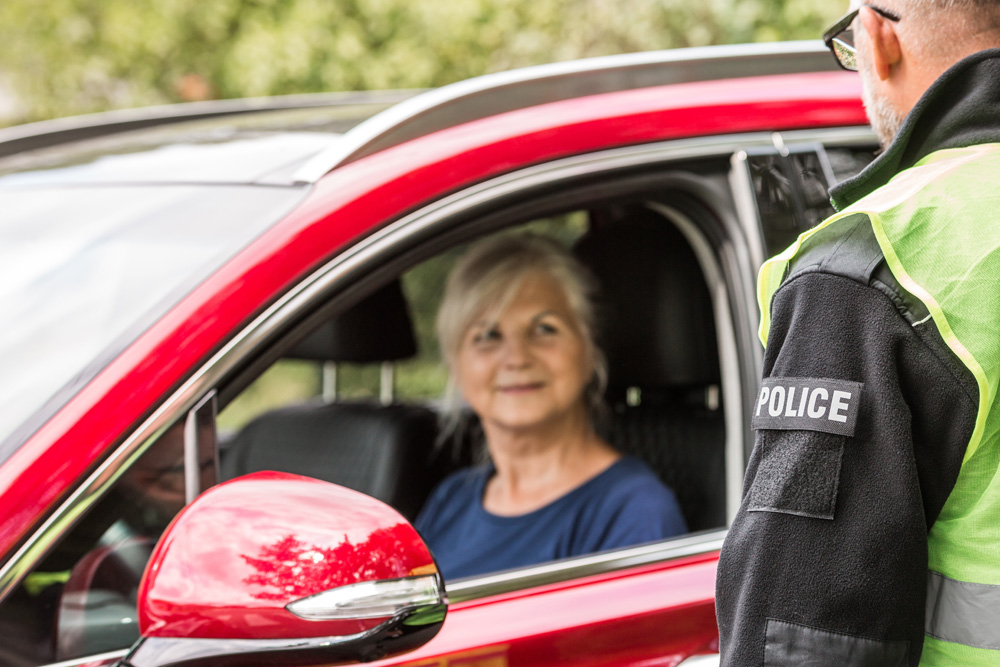
When the officer walks up to your window, they are observing everything. They look at how you move your hands, how quickly you react, whether you seem confused, your eyes, smells in the car, open containers, trash in the car, the way you talk, and on and on.
At this point, the officer is not sure if you are impaired. They are gathering clues. Answer calmly, keep your hands where they can see them, and do not reach around the car.
The First Questions the Officer Asks
You will hear a few common questions. These might include “Do you know why I stopped you” “Have you had anything to drink tonight” “Where are you coming from” “Where are you headed”. You do not need to give long answers. Keep it simple and respectful. You do not have to volunteer extra information. Officers are trained to listen closely to how you speak, how long it takes to answer, and whether your story changes.
The Officer Looks for Signs of Impairment
During this short conversation, the officer looks for indicators like red or watery eyes, slow or slurred speech, fumbling with your license, trouble following instructions. These clues help them decide the next step.
You Are Asked to Step Out of the Car
If the officer sees enough signs to continue the investigation, they will ask you to step out of your car. This does not mean you are under arrest. It means they are moving into the next stage of the investigation. When you get out, move slowly, follow directions, and stand where the officer tells you.
Field Sobriety Tests
Most people think these tests are required. In California, the roadside field sobriety tests are optional unless you are under 21 or on DUI probation. Adults who are 21 or older can say no. These tests include
- the walk and turn
- the one leg stand
- the eye test
- finger touching or similar tasks
The officer uses these tests to gather more evidence about coordination, balance, and focus. If you choose to take the tests, do your best to stay calm and listen closely. If you choose not to take them, be polite and clear about it.
The Preliminary Breath Test
The roadside breath test is also optional for adults who are 21 or older unless you are on DUI probation or under 21. Many drivers confuse this test with the chemical test after arrest. They are not the same thing. The roadside test is part of the investigation. The post arrest test is required by California law. If you refuse the roadside breath test, do it calmly. If you agree to take it, blow steadily and follow instructions.
The Officer Makes the Arrest Decision
After the conversation, the observations, the tests, and the roadside breath test, the officer makes a decision. They decide whether there is enough evidence to arrest you for DUI. This decision can happen even if you believe you did well on the tests. Officers make this call based on the total picture they observe, not just one part. If the officer decides to arrest you, they will explain what is happening and place you in handcuffs. Most arrests are calm and routine.
Your Required Chemical Test After Arrest
Once you are arrested, California law requires a chemical test. This is either a breath test at the station or a blood test at a medical facility. Refusing this test can lead to extra penalties with the DMV. This step is important because this test creates the number that the DMV and court will look at later.
What Happens to Your Car
Your car will usually be towed unless someone with a valid license can safely take it home. You will receive information about where the car is taken and how to get it back.
What Happens Next
After the chemical test, officers will take you to a local jail or station for processing. This part is routine and usually takes a few hours.
When you are released, you will receive paperwork including:
- your temporary license
- information about your DMV hearing rights
- your citation with a court date
Most people feel overwhelmed at this point. That is normal. The important thing to know is that the next steps can be managed with the right guidance.
A Simple Way To Think About a DUI Stop
A DUI stop in California always follows this flow:
- The officer notices something
- You get pulled over
- The officer talks with you
- You may be asked to step out
- You may be asked to do tests
- You may be asked for a roadside breath test
- The officer makes a decision about arrest
- You take a required chemical test if arrested
- You are released with paperwork
Once you understand this pattern the process becomes less frightening and a lot more predictable.
Closing Thoughts
A DUI stop can feel overwhelming, even when the officer follows the standard steps. When you understand what happens during the stop and why officers make certain decisions, it becomes easier to stay calm and focused. The most important thing to remember is that you still have choices and rights throughout the process. You can take each step one at a time, and you can get helpful guidance right away once the stop is over. You are not the first person to go through this and you are not alone.
Sources
California Vehicle Code Sections 23152 and 23136 California Vehicle Code Section 23612 (Implied Consent) California Highway Patrol DUI Investigation Standards National Highway Traffic Safety Administration Field Sobriety Test Manual