In my decades of work in the ignition interlock industry, I have talked with many people trying to make sense of what happened during their DUI stop or checkpoint. Checkpoint tests are one of the things that confuse people the most, and I hear the same questions again and again.
My goal here is to explain what these tests are and what you can expect, so you can understand the process with less stress and fewer surprises.
What Checkpoints Are Designed To Do
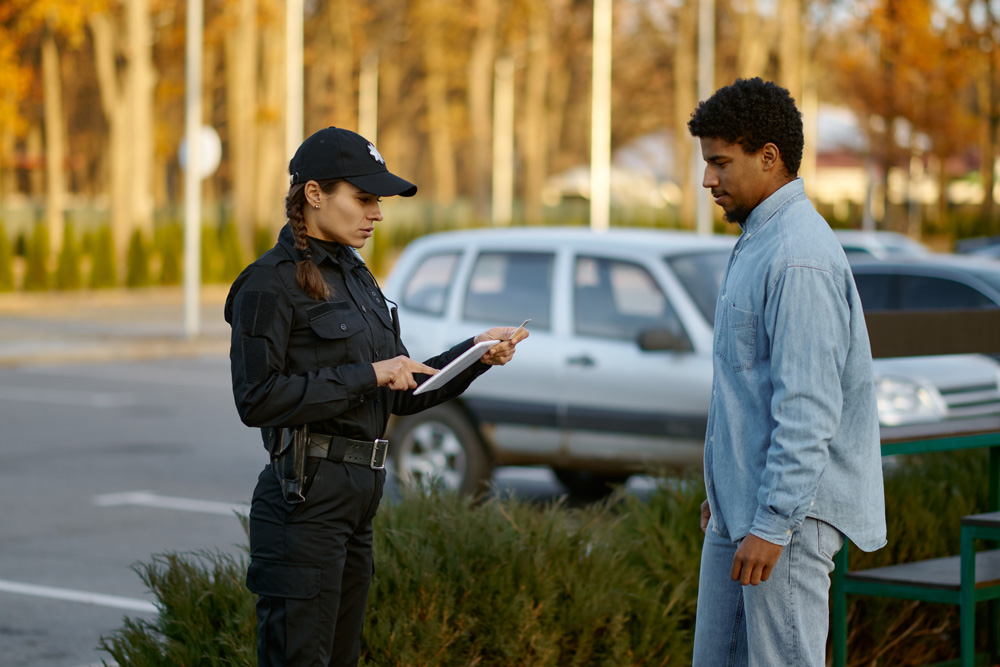
A DUI checkpoint is set up to check drivers for signs of impairment. Officers do not pull people over for bad driving at a checkpoint. They look at every car that moves through the line. Their job is to look for quick clues that might show a driver has been drinking or using drugs.
These clues might include
- trouble stopping smoothly
- rolling down the window slowly
- strong odors coming from the car
- confusion when the officer asks simple questions
If the officer sees something concerning, they may direct you to a secondary screening area.
Why Officers Use Checkpoint Tests
Checkpoints help the officer decide whether a full DUI investigation is needed. These tests give the officer a fast way to measure your coordination, focus, and ability to follow directions. They are not perfect. They rely on how well you listen, your balance, your nerves, and even the ground you are standing on.
I have seen people who were completely sober still struggle with these tests because they were nervous or tired. That is why staying calm and listening closely to the instructions matters so much.
Common Tests You May Be Asked To Do
At a checkpoint, the officer may ask you to do simple tasks like
- following a light with your eyes
- standing still while they observe your balance
- answering basic questions clearly
- stepping out of the car if they see signs of impairment
These are quick screening tools. They are not the full field sobriety tests used during a regular DUI stop, but they serve the same purpose. They help the officer decide whether they need to investigate further.
The Horizontal Gaze Nystagmus Test
One of the most common tests officers use is the eye test. They move a small light or pen back and forth and watch how your eyes track it. Alcohol can cause small jerking movements in the eyes. Officers are trained to look for these movements.
Most people do not realize how much this test tells the officer. In my experience, this test alone can make the officer confident that chemical testing is needed.
What Happens If You Are Moved to a Secondary Area
If the officer sees enough signs to continue, you may be directed to a secondary screening area. This does not mean you are under arrest. It only means the officer wants to take a closer look.
In the secondary area, the officer may ask you to
- step out of the car
- answer a few more questions
- complete additional tests
- take a roadside breath test if you are eligible
This stage helps the officer decide whether a full DUI investigation or arrest is necessary.
Your Rights During Checkpoint Testing
Drivers often ask me what their rights are at a checkpoint. You must follow the officer’s basic instructions. You must show your license and answer simple identification questions. If you are 21 or older and not on DUI probation, the roadside breath test is optional. Adults can refuse it without breaking the law.
But refusing the test does not stop the officer from continuing the investigation. It simply removes one piece of information from their decision.
A Simple Way To Think About Checkpoint Tests
- The officer is looking for signs of impairment
- The tests are quick and simple
- You may be moved to a secondary area
- These tests help the officer decide if a full DUI investigation is needed
- Staying calm makes a big difference
If you understand this process before you reach a checkpoint, you can get through it with more confidence.
Closing Thoughts
Checkpoint tests can feel confusing because they happen fast and without warning. Once you know what the officer is looking for and how the tests work, the experience becomes much easier to handle. These tests are not about perfection. They are about giving the officer clues. With the right understanding, you can stay focused, follow instructions, and get through the checkpoint safely. Just breathe and remain calm.
Sources
- California Vehicle Code Sections Related to Sobriety Checkpoints
- California Highway Patrol DUI Checkpoint Operations Manual
- National Highway Traffic Safety Administration Sobriety Testing Guidelines