
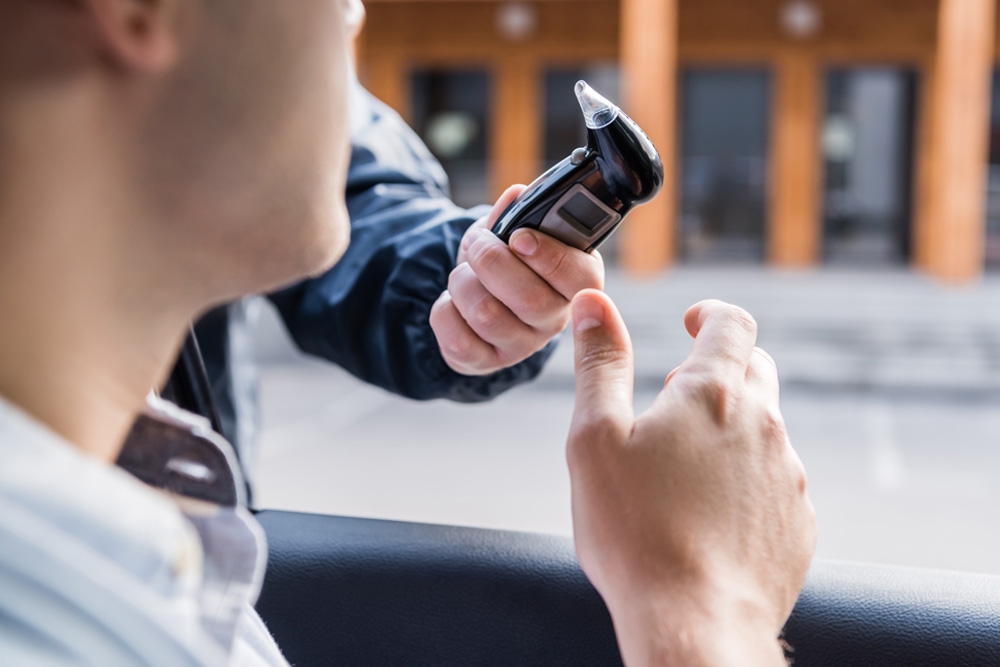
In my decades of work helping people understand what really happens during a DUI stop, I have sat across from thousands of drivers who all had the same confused look on their face when they told me about the breath test the officer asked them to take. Some thought they had to take it. Some thought they were not allowed to refuse it. Some thought refusing would save them. Most of them were surprised to learn how the rules actually work. That is why I write these guides. If you know the difference between the tests, you can make better choices when it matters.
Most people are caught off guard when an officer asks them to take a breath test. After working in this industry for more than twenty six years, I can tell you that almost no one fully understands how these tests work or which ones they can legally refuse. I have seen the same confusion over and over again. People mix up the roadside test with the required test after arrest, and that misunderstanding often makes a tough situation even harder.
My goal here is to explain the real rules in a way that is simple to understand, based on what I have seen in thousands of cases.
The Two Breath Tests Are Not the Same
There are two breath tests in a DUI stop and they serve two different purposes.
- The roadside breath test, which is part of the investigation • The required chemical test after arrest, which is either a breath test or a blood test
The roadside test helps the officer decide whether to arrest you. The post arrest test is the official test required by California law.
Once you know the difference, you can make better decisions.
The Roadside Breath Test Is Usually Optional
If you are 21 or older and not on DUI probation, you can refuse the roadside breath test. This test happens before arrest. It gives the officer one more piece of information to work with.
When someone refuses this test, I always encourage them to be calm and respectful. A simple statement is enough. You do not need to defend yourself or explain why.
If you are under 21 or on DUI probation, you cannot refuse this test without facing extra consequences.
Why Officers Use the Roadside Test
Officers use this test because it gives them a quick idea of where your alcohol level might be. I have seen this test push cases in both directions. Sometimes the number is low and the officer decides not to arrest. Other times the number supports what the officer already suspects.
It is not the official test. It is only a tool used during the stop.
The Required Chemical Test After Arrest
If the officer decides to arrest you, the rules change. At that point, you must take a chemical test. This comes from California’s implied consent law. When you drive in this state, you agree to take a chemical test if you are arrested for DUI.
If you refuse this test, the DMV will add penalties to your case. Casino Bonus and Progressive Jackpot I have seen people lose their license for a full year on a first offense because they refused the test.
Choosing Between Breath and Blood
Most people choose the breath test after arrest because it is fast and simple. Some choose a blood test because they believe the results may help them later.
Officers can require a blood test if they believe drugs are involved.
What Happens If You Refuse the Required Test
If you refuse the chemical test after arrest, several things happen right away.
- Your license will be taken on the spot • The DMV will issue a separate suspension • The officer will document the refusal in their report • The court can add penalties if you are convicted
I understand why some people think refusing might help them. In my experience, it usually makes the situation harder to fix.
Why These Two Tests Get Mixed Up
Drivers get confused because the devices look similar and the officer asks for both tests in the same encounter. I see this misunderstanding all the time. Once people understand that one test is optional and the other is required, everything becomes much clearer.
A Simple Way To Remember the Rules
- Before arrest, the breath test is usually optional • After arrest, the breath or blood test is required • Refusing the required test brings extra penalties • The officer decides when the investigation becomes an arrest
If you keep these steps in mind, you can handle the situation with more confidence.
Closing Thoughts
Breath test decisions feel harder when you do not know the rules. Once you learn the difference between the optional roadside test and the required test after arrest, the whole process becomes easier to understand. You can stay calm, follow instructions, and protect your rights without making the situation worse. I have seen many people face this moment and come out the other side. With the right information, you can too.
Sources
California Vehicle Code Section 23612 (Implied Consent) California Vehicle Code Sections 23152 and 23136 California Highway Patrol DUI Investigation Guidelines National Highway Traffic Safety Administration Breath Testing Standards