Most California drivers know one number when it comes to DUI:
0.08.
For decades, that number has become so closely associated with drunk driving that many people assume it works like an on-and-off switch.
Below 0.08? You’re legal.
At or above 0.08? You’re not.
But that isn’t actually how California DUI law works.
Britney Spears’ 2026 DUI arrest provides a very public example of why.
According to reporting on her March 2026 arrest, preliminary breath tests showed readings of 0.05 and 0.06, both below California’s 0.08 limit for most adult drivers. Yet she was still arrested on suspicion of DUI involving alcohol and drugs.
The case was ultimately resolved without a DUI conviction. In May, Spears pleaded guilty to a reduced reckless-driving offense involving alcohol, commonly called a “wet reckless.”
So how can someone blow below 0.08 and still be arrested for DUI?
After 26 years working in the DUI and ignition interlock industry, I can tell you this is one of the most misunderstood parts of California DUI law.
What Happened in Britney Spears’ 2026 DUI Case?
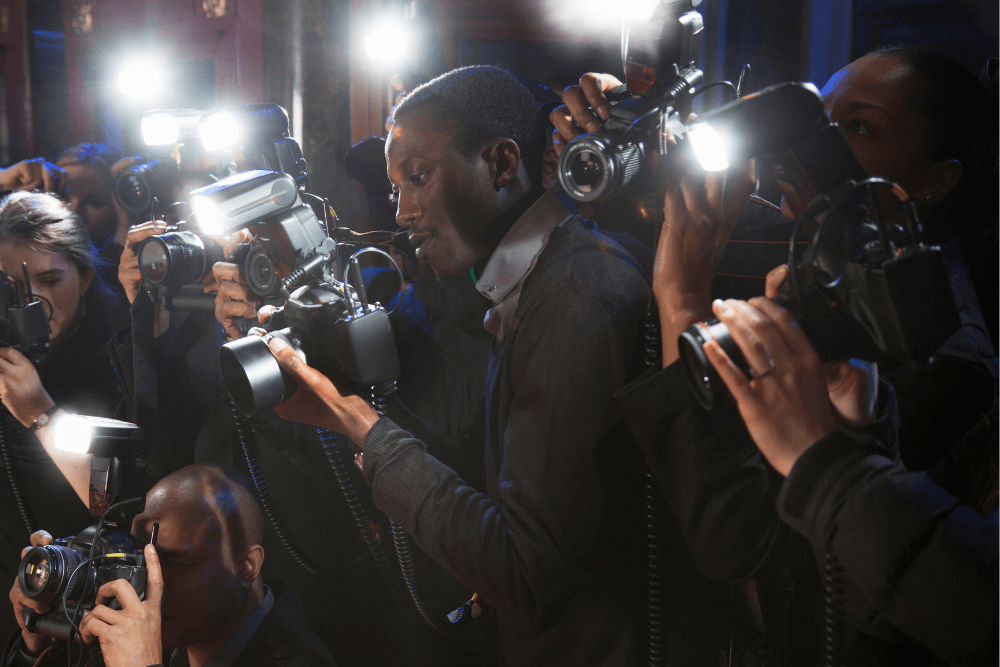
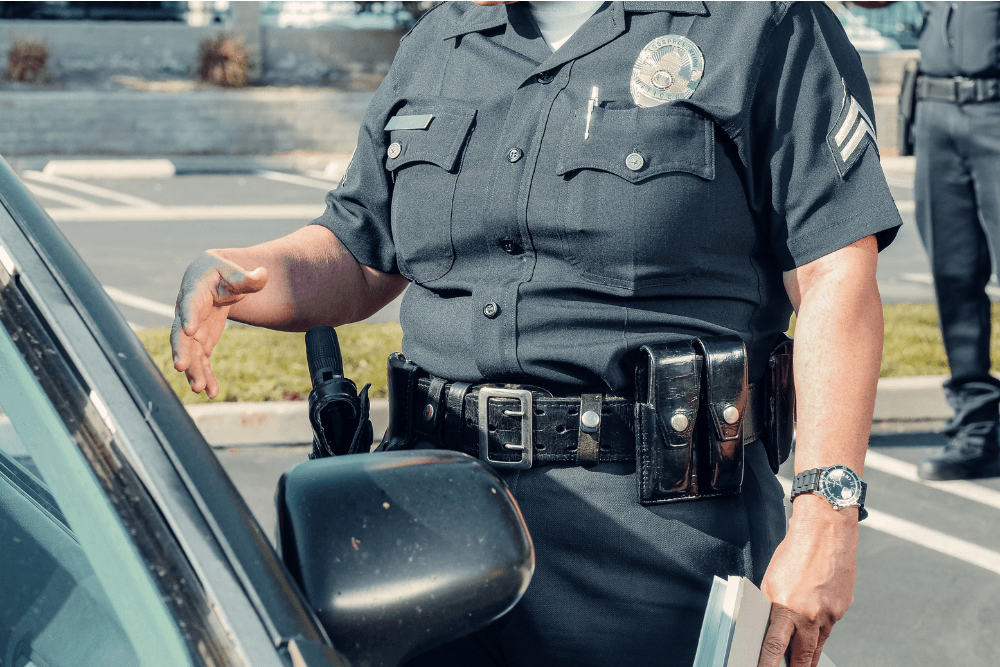
In March 2026, Britney Spears was stopped by the California Highway Patrol after officers reported seeing her speeding and swerving on U.S. 101.
According to Associated Press reporting based on the police report and dashcam footage, officers described several signs they believed indicated impairment.
Spears reportedly told officers she had consumed a mimosa several hours earlier.
Preliminary breath testing reportedly produced readings of 0.05 and 0.06.
Those numbers immediately raise the question most people would probably ask:
If she was under 0.08, why was she arrested?
Officers suspected the situation involved more than alcohol. Reporting on the case said medication was found during the investigation and that Spears subsequently provided a blood sample for additional testing.
She was arrested on suspicion of driving under the combined influence of alcohol and drugs.
That distinction is important.
It’s also important to separate an arrest from a conviction.
Spears was initially charged with misdemeanor DUI. She did not ultimately plead guilty to DUI. In May 2026, she pleaded guilty to a reduced “wet reckless” charge.
According to the Associated Press, the resolution included one year of informal probation, a DUI education class, fines and credit for the day she had already spent in custody.
That is where her particular case ended.
But the question raised by her arrest applies to millions of California drivers.
Isn’t 0.08 the Legal Limit in California?
Yes, but that’s only part of the law.
For most drivers age 21 and older, California makes it illegal to drive with a blood alcohol concentration of 0.08 or higher.
But California also separately prohibits driving while under the influence of alcohol.
Those sound like the same thing.
Legally, they aren’t.
The 0.08 rule gives California a measurable BAC threshold. If you’re at or above that threshold, the state doesn’t have to rely solely on observations about how impaired you appeared.
But being below 0.08 does not automatically mean you’re safe from a DUI arrest or prosecution.
California DMV says this directly in its current Driver’s Handbook: even when someone’s BAC is below the legal limit, that does not necessarily mean the person can safely drive. Depending on the evidence of impairment, a person can still be arrested and convicted of DUI.
That surprises a lot of people.
0.08 Is Not a Free Pass
This is probably the most important lesson from the Britney Spears case.
Think of 0.08 as a legal threshold, not a guarantee.
It is not a line where 0.079 means “completely fine” and 0.080 suddenly means “impaired.”
Alcohol doesn’t work that way in the human body.
Different people can experience the effects of alcohol differently, and those effects can begin before someone reaches 0.08.
I’ve spent much of my career teaching people about alcohol and how it processes through the human body. BAC is useful because it gives us something objective to measure.
But the number is not the entire story.
California law recognizes that distinction.
Can You Get a DUI in California With a BAC of 0.05?
Potentially, yes.
A BAC below 0.08 by itself does not establish that an adult driver committed DUI.
But it also doesn’t prevent an officer from making a DUI arrest when other evidence leads the officer to believe the driver is impaired.
That evidence could include observations made before and during the traffic stop, driving behavior, physical observations, field sobriety testing and chemical testing.
The circumstances of every case are different.
That is why someone shouldn’t walk away from this article thinking, “So 0.05 is the real limit.”
It isn’t.
There isn’t another magic number hiding underneath 0.08.
The better way to understand California law is that there are different ways a DUI case can be established.
Alcohol Plus Drugs Changes the Conversation
There is another reason the Spears case is useful for understanding California DUI law.
Officers suspected combined alcohol and drug impairment.
California law doesn’t only address alcohol.
It prohibits driving under the influence of drugs and also prohibits driving under the combined influence of alcohol and drugs.
And “drugs” doesn’t necessarily mean illegal street drugs.
California DMV specifically warns drivers that prescription and over-the-counter medications can affect the ability to drive safely.
That connects directly with the lesson from the Tiger Woods case we recently discussed.
A person can have a 0.00 BAC and potentially face a DUI involving drugs.
A person can also have alcohol in their system below 0.08 and potentially face a DUI involving the combined effects of alcohol and another substance.
The breath test only tells us about alcohol.
It does not detect most other drugs.
That’s why an officer who suspects drug involvement may seek additional chemical testing even after a driver has taken a breath test.
What I’ve Learned After 26 Years in the DUI Industry
One of the things celebrity DUI stories often get wrong is the picture they create of the person who gets a DUI.
There really isn’t one.
I’ve worked in the ignition interlock industry for more than 26 years, and I’ve personally installed devices for people from nearly every walk of life.
I’ve installed them for teachers.
Firefighters.
Police officers.
Judges.
DUI defense attorneys.
DUI prosecutors.
Business owners.
Parents.
Young adults.
Retirees.
And yes, quite a few celebrities and other high-profile people.
I’m obviously not going to name any of them.
But I mention it because the experience taught me something important very early in my career.
There is no single “type” of person who gets a DUI.
Money doesn’t prevent it.
Fame doesn’t prevent it.
Education doesn’t prevent it.
A respected career doesn’t prevent it.
Even knowing DUI law inside and out doesn’t necessarily prevent it.
That’s one reason I don’t believe in treating people going through the DUI system as if a DUI automatically defines who they are.
I’ve sat across from too many people over the years to believe that.
An Arrest Doesn’t Define a Person
Britney Spears is one of the most recognizable entertainers in the world.
That makes her arrest newsworthy.
But celebrity doesn’t really change the lesson.
Whether the person pulled over is Britney Spears, a police officer, a teacher, an attorney or someone driving home from a regular Tuesday night dinner, the underlying question is the same:
Was that person able to safely operate the vehicle?
That’s what matters.
It’s also why one of our core values at Clear2Drive is Accountability Without Shame.
Those two ideas can exist together.
Driving impaired can have devastating consequences and should be taken seriously.
At the same time, humiliating someone doesn’t make our roads safer.
Education, accountability, treatment when needed, appropriate monitoring and giving people a real opportunity to succeed can.
What Is a “Wet Reckless” in California?
Because this is how Spears’ case was ultimately resolved, it’s worth explaining the term.
“Wet reckless” is commonly used to describe a reckless-driving conviction involving alcohol that results from a DUI plea agreement.
It is not exactly the same thing as simply having the DUI disappear.
There can still be consequences, and the alcohol-related nature of the reckless-driving resolution can matter if someone has another DUI-related case in the future.
The exact consequences depend on the case, so anyone facing a DUI or wet-reckless charge should get advice about their specific situation from a qualified California DUI attorney.
Spears’ case ultimately resulted in a wet-reckless resolution rather than a DUI conviction.
That’s an important distinction, and it’s why we should not call her 2026 case a DUI conviction.
What Does This Mean for an Ignition Interlock?
This is another area where people often assume the answer is automatic.
An ignition interlock device measures alcohol in a person’s breath.
That’s what it is designed to do.
If a driver has consumed alcohol above the device’s programmed threshold, the vehicle will not start.
But an ignition interlock isn’t a general impairment detector.
It doesn’t determine whether someone has taken a prescription medication, cannabis or another drug.
That was an important lesson in the Tiger Woods story, and it’s just as important here.
Technology is extremely useful when it’s applied to the behavior it was designed to address.
But DUI prevention is bigger than one device.
BAC Is a Measurement, Not a Judgment About Someone
After working around alcohol-monitoring technology for most of my adult life, I think this distinction is important.
BAC gives us a measurement.
It tells us how much alcohol is present.
It doesn’t tell us whether someone is a good person or a bad person.
It doesn’t tell us what kind of parent they are.
It doesn’t tell us whether they’re good at their job.
And it doesn’t tell us what the rest of their life should look like.
I’ve installed ignition interlocks for people who walked into the shop completely embarrassed that they were there.
Some couldn’t believe what had happened.
Some were scared about their jobs.
Some were worried about their families.
Some just wanted to understand what they needed to do so they could get through the process and move forward.
Those experiences are a big part of why Clear2Drive exists.
Second Chances Still Require Accountability
I believe strongly in second chances.
But a second chance doesn’t mean pretending nothing happened.
It means taking what happened seriously, completing the requirements, learning what needs to be learned and moving forward.
That’s the balance we’re trying to create when we talk about Accountability Without Shame.
The Britney Spears case shouldn’t become an excuse to say, “She was only at 0.05 or 0.06, so she shouldn’t have been arrested.”
We weren’t there, and ultimately the DUI charge was resolved as a lesser offense.
What we can say is that her case demonstrates something important about California law:
Being below 0.08 doesn’t automatically end the DUI question.
The Question California Drivers Should Actually Ask
Instead of asking:
“How much can I drink and still legally drive?”
I think there is a much better question:
“Am I safe to drive?”
Those aren’t necessarily the same question.
If you’ve been drinking and you’re questioning whether you’re okay to drive, there are more transportation options today than at practically any other point in history.
Call someone.
Use a rideshare.
Take a taxi.
Stay where you are.
Make the plan before you start drinking.
The inconvenience of figuring out how to get your vehicle tomorrow is nothing compared with what can happen when someone guesses wrong.
The Bigger Lesson From Britney Spears’ DUI Arrest
Celebrity stories get attention because we recognize the names.
But after 26 years in this industry, the celebrity part really isn’t what interests me.
The lesson does.
Britney Spears reportedly tested below 0.08.
She was still arrested on suspicion of DUI because officers believed other evidence indicated impairment involving alcohol and drugs.
The DUI charge was ultimately reduced, and she pleaded guilty to wet reckless.
All three of those facts matter.
They demonstrate why DUI cases are often more complicated than a single number on a breath-testing instrument.
For California drivers, the takeaway is simple:
0.08 is an important legal threshold.
It is not a guarantee that anything below it is automatically safe or immune from a DUI investigation.
And perhaps the bigger lesson from Britney Spears, Tiger Woods and the thousands of people I’ve worked with over the last 26 years is this:
DUI doesn’t have a type.
It can happen to celebrities, judges, police officers, attorneys, teachers, firefighters, business owners, parents and people who never thought they would find themselves sitting in an ignition interlock service center.
What matters next is what they do about it.
Written by Dan Rhodes, Founder, Clear2Drive, 26-year ignition interlock industry veteran, Advisory council member.
Sources
Associated Press
California Department of Motor Vehicles
California Driver’s Handbook
California Vehicle Code